Swallow Therapy

Specialised intervention to restore safe, efficient swallowing and improve quality of life for children and adults.

What it is

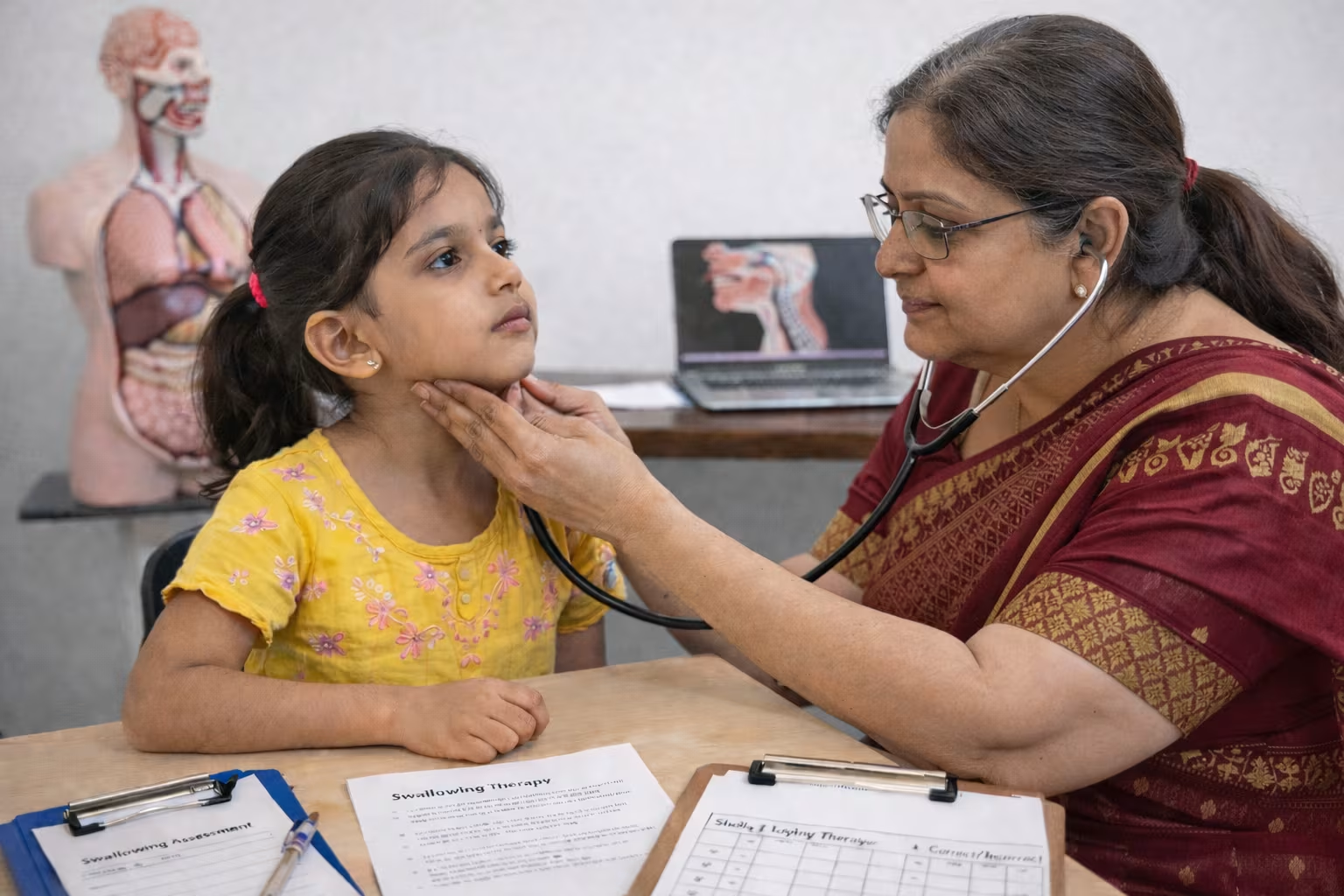
Specialised intervention for dysphagia (swallowing problems) by our Speech-Language Pathologists. Includes Clinical Swallow Examination (cervical auscultation, water swallow tests, oral intake observation) and evidence-based therapy tailored to each person—children or adults.

How it benefits

  • Restores safe, efficient swallowing and normal eating
  • For children: feeding refusal, choking, tube dependency
  • For adults: stroke, head/neck cancer, age-related difficulties
  • Improves function and quality of life
Swallow Therapy

Who It Is For

Swallow therapy helps both children and adults with swallowing or feeding difficulties.

Children

  • Feeding refusal or picky eating
  • Choking, coughing, or gagging while eating
  • Tube-fed or transitioning off feeding tubes
  • Developmental delays affecting swallowing

Adults

  • Post-stroke swallowing difficulties
  • Head & neck cancer surgery recovery
  • Age-related swallowing changes
  • Neurological conditions affecting swallow

Frequently Asked Questions

What is dysphagia and when should I seek help?
Dysphagia is the medical term for swallowing difficulties. Seek help if you or your child shows: persistent coughing or choking while eating or drinking, food or liquid coming out through the nose, refusal to eat or drink, taking excessively long to finish meals, vomiting during meals, the sensation of food stuck in the throat, painful swallowing, or dependency on feeding tubes. Early intervention can restore safe eating and improve quality of life.
What happens during a swallowing assessment?
Our Clinical Swallow Examination includes cervical auscultation (listening to swallow sounds), water swallow tests, subjective scales of swallowing assessment, and clinical observation of oral intake. We assess how food and liquid move from the mouth through the throat to identify where the difficulty occurs and design a tailored therapy plan.
What does swallow therapy involve?
Swallow therapy uses evidence-based strategies tailored to each person. This may include exercises to strengthen oral and throat muscles, techniques to improve coordination and timing of the swallow, posture adjustments, and modifications to food texture or liquid consistency. We provide feedback and guidance to achieve a safe, efficient swallow and restore normal eating as quickly as possible.
Can children with feeding tubes transition to oral feeding?
Yes. Many tube-dependent children can work toward oral feeding with the right support. Our Speech-Language Pathologists assess readiness, address oral-motor skills and sensory issues, and create a gradual plan to introduce safe oral intake. Progress depends on the child’s condition, but we aim to reduce tube dependency and improve quality of life.
Is swallow therapy only for people who have had a stroke?
No. Swallow therapy helps both children and adults. In children, we treat feeding refusal, choking, gagging, tube dependency, developmental delays affecting swallowing, and issues related to cleft lip/palate repair. In adults, we support post-stroke swallowing, head and neck cancer recovery (surgery, chemotherapy, radiation), age-related changes, and other neurological conditions.
How long does swallow therapy take?
Duration varies based on the cause and severity of the swallowing difficulty. Some people see improvement within weeks; others need several months of regular therapy. We aim to restore safe eating as quickly as possible and will give you a clearer timeline after the initial assessment.
Who provides swallow therapy at Samvaad?
Swallow therapy is delivered by our Speech-Language Pathologists (SLPs), who are trained in dysphagia management. Also known as swallowing therapists or deglutologists, they have the expertise to assess and treat swallowing and feeding difficulties in both children and adults.

A simple conversation can help you decide the next step.